 ISO Certification
 Services Worldwide
Improve quality, strengthen customer trust, and demonstrate compliance with globally recognized standards through professional ISO certification services. MSR Assessment helps organizations of all sizes achieve certification efficiently and confidently.
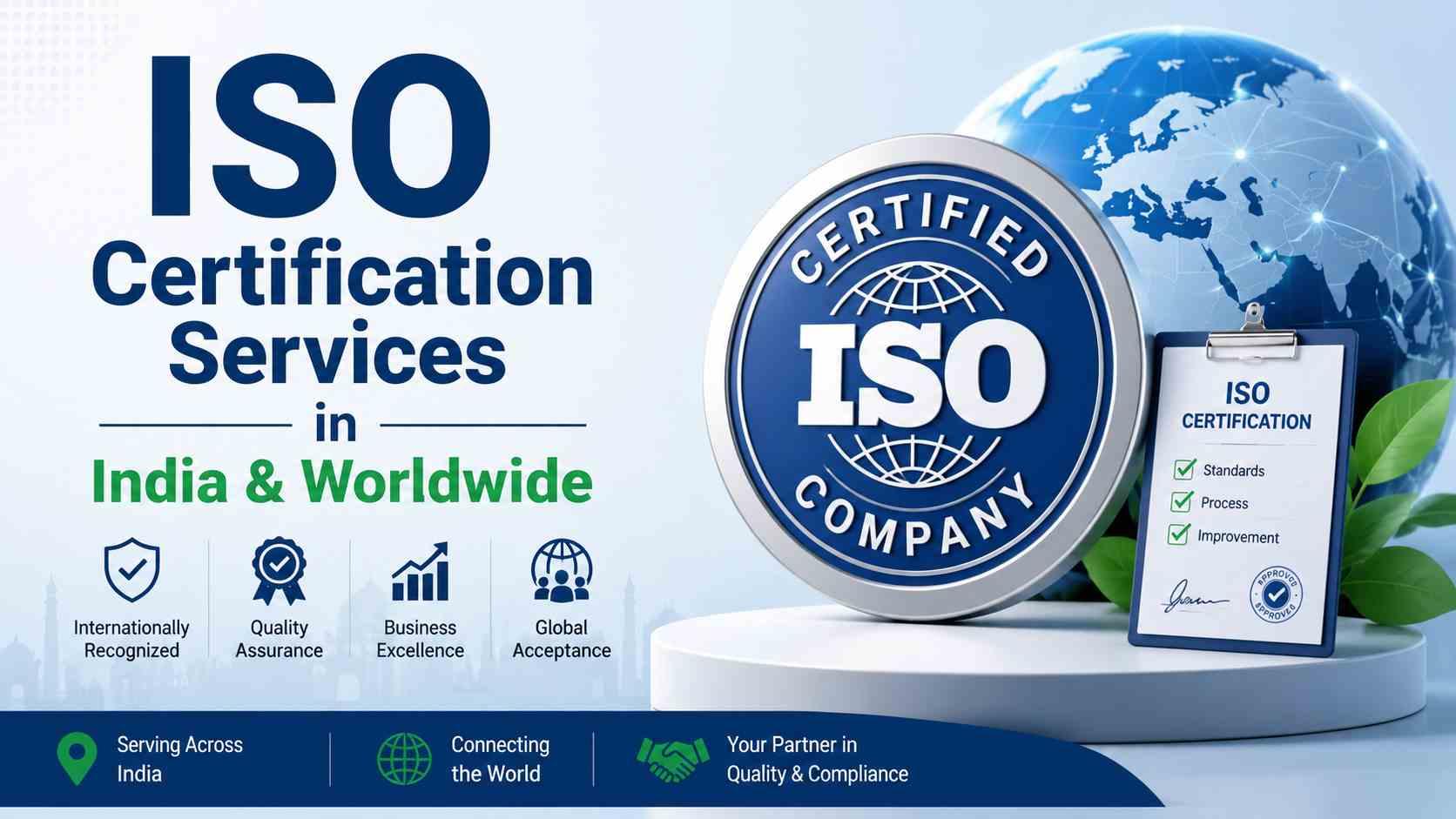
What Is ISO Certification?
ISO certification is an independent assessment of an organisation's management system against the requirements of a specific ISO standard.
A management system provides a structured framework for managing processes, responsibilities, risks, objectives and continual improvement. Certification can help an organisation demonstrate that its relevant management system has been assessed against the requirements of the applicable standard.
The certification requirements vary depending on the standard and the organisation's activities. Therefore, the certification scope and applicable requirements should be established before beginning the certification process.
ISO Certification Services
Our ISO certification services help organisations prepare for certification according to their applicable standard and business requirements.
Our support may include:
If you are looking for an ISO certification company or consultant, the appropriate approach should be based on your organisation's size, activities, existing systems and certification objectives.
ISO Certification in Kolkata
MSR Assessment provides ISO certification support in Kolkata and to organisations across India and international markets. Businesses in Kolkata can receive support with selecting the appropriate standard, defining the certification scope, understanding applicable requirements, preparing documentation and getting ready for the relevant assessment stages.
Our ISO certification services in Kolkata can be adapted to different industries, organisation sizes and business requirements.
Whether your organisation operates in Kolkata or elsewhere in India, the certification approach should be based on the actual scope and requirements of your management system.
Types of ISO Certification
Different ISO standards address different areas of organisational management. The appropriate standard depends on the nature of your organisation and the objectives you want to achieve.
ISO 9001 – Quality Management System
ISO 9001 provides a framework for establishing a Quality Management System (QMS). It focuses on consistent processes, customer requirements, performance evaluation and continual improvement.
It can be applied to organisations across a wide range of industries and business sizes.
Learn more: ISO 9001 Certification
ISO 14001 – Environmental Management System
ISO 14001 provides a framework for organisations to manage their environmental responsibilities and improve environmental performance through a structured management system.
Learn more: ISO 14001 Certification
ISO 45001 – Occupational Health and Safety Management System
ISO 45001 focuses on occupational health and safety management. It provides a framework for organisations to identify and manage workplace health and safety risks and continually improve their OH&S management system.
Learn more: ISO 45001 Certification
ISO 22000 – Food Safety Management System
ISO 22000 provides a framework for organisations within the food chain to manage food-safety risks and maintain appropriate food-safety controls.
Learn more: ISO 22000 Certification
ISO 27001 – Information Security Management System
ISO 27001 provides a framework for establishing and maintaining an Information Security Management System (ISMS) and managing information-security risks.
Learn more: ISO 27001 Certification
ISO 13485 – Medical Devices Quality Management System
ISO 13485 focuses on quality management systems for organisations involved in the design, development, production, installation and servicing of medical devices, where applicable to their activities.
Learn more: ISO 13485 Certification
Who Needs ISO Certification?
ISO certification can be relevant to organisations across many industries and business types, including:
An organisation may pursue certification to establish a structured management system, demonstrate conformity with an applicable standard, meet customer requirements or support specific business and contractual objectives.
The appropriate standard should always be selected according to the organisation's actual activities and requirements.
ISO Certification Requirements
The requirements for certification depend on the applicable ISO standard, certification scope, organisation size, activities and existing management system.
Depending on the standard, preparation may involve:
The documentation should reflect the organisation's actual operations. Creating unnecessary documents simply to meet a perceived certification requirement may not provide meaningful value.
ISO Certification Process
The ISO certification process generally involves several stages. The exact approach may vary depending on the applicable standard and certification scope.
1. Identify the Applicable Standard
Determine which ISO standard is relevant to your organisation based on its activities, objectives, risks and requirements.
2. Define the Certification Scope
Establish which activities, locations, products, services or processes will be covered by the management system.
3. Review Existing Processes
Evaluate the organisation's existing processes, documentation, records and controls to understand its current level of readiness.
4. Conduct a Gap Assessment
Identify areas where the existing management system may not fully address the applicable requirements.
5. Develop and Implement the Management System
Prepare or improve relevant documentation, processes and controls and implement them within the organisation.
6. Conduct Internal Audit and Management Review
Evaluate the effectiveness of the implemented system through appropriate internal audits and management reviews.
Where organisations need support with auditing, they can also explore our audit services for relevant audit requirements.
7. Certification Assessment
The organisation undergoes the applicable assessment stages conducted by the certification body.
8. Address Findings
Where findings or non-conformities are identified, the organisation takes appropriate corrective action as required.
9. Maintain and Improve the System
Following certification, the organisation continues to operate, monitor and improve its management system and meet applicable ongoing assessment requirements.
For a detailed explanation of the stages, visit our ISO Certification Process page.
Documents Required for ISO Certification
The documentation required varies according to the ISO standard and certification scope.
Common documents and records may include:
The exact requirements should be determined according to the applicable standard rather than using the same documentation for every organisation.
ISO Certification Cost
There is no single fixed price for certification because the overall cost can vary between organisations.
Factors that may affect the cost include:
Therefore, ISO certification cost, fees and charges should be evaluated based on the organisation's specific requirements.
If you are comparing an ISO certificate price or certification fees, make sure you understand what is included in the quoted service and assessment scope rather than comparing prices alone.
Contact MSR Assessment to discuss your requirements and understand the appropriate certification approach.
Benefits of ISO Certification
An appropriately implemented management system can provide several business benefits.
Better Process Management
Clearly defined processes and responsibilities can help organisations manage their operations more consistently.
Improved Customer Confidence
Certification can provide evidence that the relevant management system has been independently assessed against a specified standard.
Support for Customer and Contractual Requirements
Some customers, tenders and contracts may require organisations to demonstrate compliance with a relevant management-system standard.
Continual Improvement
Management systems provide a structured approach to identifying issues, implementing corrective actions and improving processes.
Better Risk Management
Depending on the applicable standard, a management system can help organisations identify, evaluate and manage relevant risks.
Greater Operational Consistency
Defined processes, responsibilities and performance measures can help organisations establish greater consistency across their operations.
Why Choose MSR Assessment?
MSR Assessment supports organisations in understanding and preparing for applicable management-system certification requirements.
Our approach focuses on:
The approach can be adapted to the organisation's industry, size, activities and certification objectives.
If you need an ISO certification consultant, contact MSR Assessment to discuss your requirements and determine the appropriate next steps.
Get Started With ISO Certification
Not sure which ISO standard is appropriate for your organisation?
Speak with MSR Assessment about your business activities, certification scope and objectives. Our team can help you understand the applicable requirements and the next steps towards certification.
Contact MSR Assessment today to discuss your ISO certification requirements.